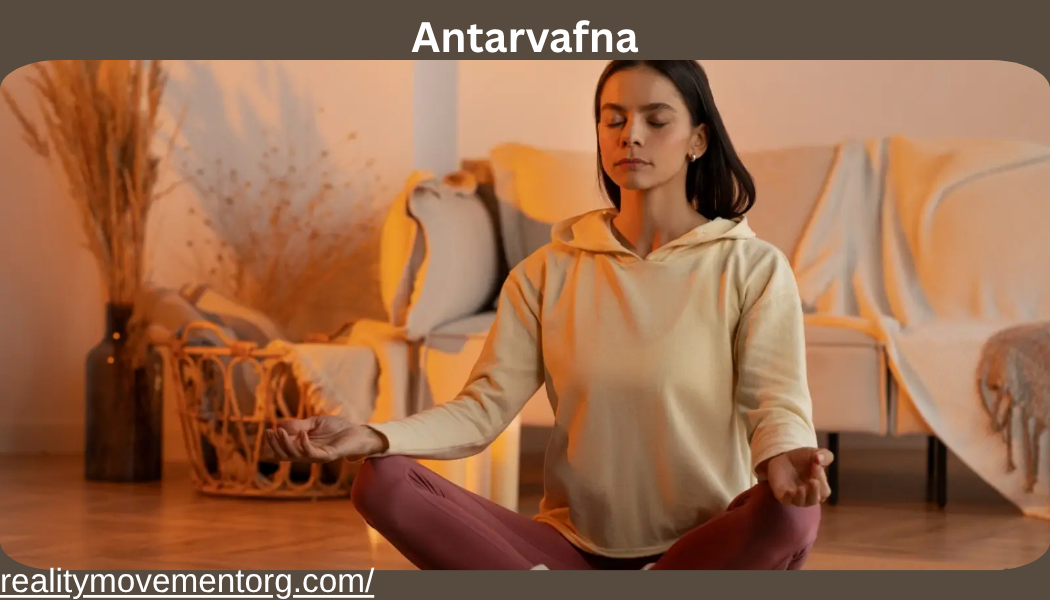
Antarvafna: The Ancient Indian Practice of Hearing Your Inner Self
In today’s fast-moving world, people are searching for something deeper than productivity hacks, meditation apps, and temporary relaxation techniques. Many are asking a bigger question: How can I truly understand myself?
One ancient answer comes from a little-known Indian tradition called antarvafna.
Antarvafna is a very old Indian practice based on the principle of hearing the self. Unlike methods that focus on controlling thoughts or escaping emotions, antarvafna teaches people to become deeply aware of their own inner voice. It is often described as a journey inward where silence becomes a teacher rather than an empty space.
Although the term remains relatively unfamiliar outside traditional spiritual circles, its philosophy is becoming increasingly relevant in modern discussions about mindfulness, emotional intelligence, and mental well-being.
This comprehensive guide explains everything about antarvafna, including its meaning, history, philosophy, practical techniques, benefits, misconceptions, and how beginners can incorporate it into everyday life.
What Is Antarvafna?
Antarvafna is an ancient Indian contemplative practice centered on listening to one’s inner consciousness. The word itself combines ideas associated with “antar,” meaning inner or internal, and a concept of attentive listening or deep awareness.
Rather than trying to silence the mind completely, antarvafna encourages practitioners to observe their thoughts, emotions, memories, and intuition without judgment. The goal is not to eliminate mental activity but to understand it.
In simple words, antarvafna means learning to hear your authentic self beneath the noise of daily life.
This practice differs from many modern wellness methods because it emphasizes self-discovery over relaxation. While peace often becomes a natural result, it is not the primary objective.

Why Antarvafna Matters Today
Modern society constantly competes for attention. Notifications, social media, work pressure, and endless information make it difficult to hear our own thoughts clearly.
Antarvafna offers an alternative approach by helping individuals reconnect with themselves before reacting to the outside world.
Some reasons why antarvafna is becoming more relevant include:
- Growing interest in mindful living
- Rising awareness of emotional health
- Desire for authentic personal growth
- Increased burnout in professional life
- Need for deeper spiritual practices beyond meditation
Instead of asking, “How do I become calmer?” antarvafna asks, “Who is the one experiencing this moment?”
That subtle shift changes the entire experience.
Also Read:Smoothiepussit: A Complete Guide to Smoothie Pouches, Benefits, Uses, Nutrition, and Smart Choices
The Meaning Behind the Word Antarvafna
Understanding the philosophy begins with understanding the word itself.
While linguistic interpretations vary across regional traditions, antarvafna is commonly understood as the process of inward listening.
| Element | Meaning |
| Antar | Inner, internal, within |
| Vafna | Deep listening, attentive awareness, reflective perception |
Together, antarvafna represents conscious listening directed toward one’s own inner being.
This is not simply hearing thoughts. It involves recognizing intuition, emotional patterns, values, and deeper wisdom that often remain hidden beneath mental distractions.
The Ancient Origins of Antarvafna
The roots of antarvafna extend into ancient Indian philosophical traditions where self-inquiry was considered essential for wisdom.
Although historical references may appear under different names in various schools, the underlying principle of inward listening appears throughout Indian spiritual literature.
Early Philosophical Foundations
Ancient teachers believed that truth could not be fully understood through external knowledge alone. Books, rituals, and teachers could provide guidance, but genuine understanding emerged through direct inner experience.
Antarvafna became one method of cultivating that experience.
Connection with Oral Traditions
Before written texts became widespread, knowledge passed through oral traditions. Interestingly, practitioners believed the deepest knowledge was not only heard from teachers but also discovered through listening within.
This idea remains central to antarvafna today.
Antarvafna vs Meditation: Understanding the Difference
Many people assume antarvafna is simply another form of meditation. While the two practices overlap, they are not identical.
| Antarvafna | Meditation |
| Focuses on hearing the inner self | Often focuses on calming the mind |
| Encourages emotional observation | May emphasize concentration |
| Prioritizes self-understanding | Often prioritizes mindfulness or relaxation |
| Welcomes thoughts as information | Sometimes encourages letting thoughts pass |
| Aims for inner dialogue | Often aims for present-moment awareness |
Meditation can be part of antarvafna, but antarvafna extends beyond meditation into continuous self-reflection.
The Core Philosophy of Antarvafna
The philosophy rests on one powerful belief:
Every human already carries wisdom within.
Instead of searching endlessly for external answers, antarvafna teaches people to remove internal noise until their own deeper understanding becomes clear.
This philosophy includes five essential principles.
Inner Listening
Listening is different from thinking.
Thinking creates stories. Listening receives insight.
Antarvafna trains practitioners to recognize this distinction.
Radical Honesty
The practice requires honesty without self-criticism.
Rather than asking, “Am I good or bad?” practitioners ask, “What am I truly feeling?”
Silence as a Teacher
Silence is not viewed as emptiness. It becomes an active space where awareness grows.
Emotional Acceptance
Every emotion has information.
Fear may reveal insecurity.
Anger may reveal violated boundaries.
Joy may reveal authentic purpose.
Antarvafna encourages understanding emotions instead of suppressing them.
Continuous Self-Discovery
There is no final destination.
Each stage of life reveals new layers of identity, making antarvafna a lifelong practice.
The Science Behind Inner Listening
Although antarvafna originated centuries before modern psychology, many of its principles align with contemporary research on self-awareness.
Emotional Regulation
When individuals observe emotions without immediate reaction, they often make better decisions.
This mirrors the antarvafna principle of witnessing before responding.
Metacognition
Psychologists describe metacognition as thinking about thinking.
Antarvafna goes one step further by encouraging awareness of the observer behind thoughts.
Mindfulness and Brain Health
Modern mindfulness research suggests that reflective practices may support attention, emotional balance, and resilience. Antarvafna shares these qualities while placing greater emphasis on personal meaning and inner dialogue.
How Antarvafna Works
The practice follows a gradual process rather than a strict technique.
Stage 1: Creating Silence
This means reducing external stimulation for a short period.
Silence may involve:
- Sitting quietly
- Walking in nature
- Turning off digital devices
- Practicing slow breathing
Stage 2: Observing Thoughts
Instead of controlling thoughts, practitioners watch them like passing clouds.
Questions include:
- Why did this thought appear?
- Is it based on fear or truth?
- Does it reflect my values?
Stage 3: Understanding Emotions
Emotions become messages rather than obstacles.
Each feeling offers an opportunity for learning.
Stage 4: Discovering Inner Wisdom
Over time, repeated observation reveals consistent patterns.
This deeper awareness guides better decisions in relationships, careers, and personal growth.
The Seven Pillars of Antarvafna
Many teachers describe antarvafna through seven interconnected pillars.
Silence
Growth begins when external noise decreases.
Awareness
Recognizing thoughts without becoming trapped by them.
Reflection
Examining experiences honestly.
Acceptance
Welcoming imperfections as opportunities for learning.
Intuition
Developing trust in authentic inner guidance.
Compassion
Extending understanding toward oneself and others.
Wisdom
Transforming insight into meaningful action.
Daily Antarvafna Practice for Beginners
Anyone can begin antarvafna without special equipment or religious affiliation.
Morning Practice (10 Minutes)
- Sit comfortably.
- Close your eyes.
- Take five slow breaths.
- Ask yourself, “What am I feeling today?”
- Listen without forcing an answer.
Midday Check-In (3 Minutes)
Pause during work.
Ask:
- Am I acting intentionally?
- What emotion is guiding me right now?
Evening Reflection (15 Minutes)
Write answers to three questions:
- What challenged me today?
- What did I learn about myself?
- What deserves gratitude?
These simple exercises gradually strengthen inner awareness.
Antarvafna and Emotional Intelligence
One of antarvafna’s greatest strengths is its ability to improve emotional intelligence.
People often react automatically because emotions operate below conscious awareness.
Antarvafna interrupts this cycle.
| Emotion | Typical Reaction | Antarvafna Response |
| Anger | Immediate response | Curious observation |
| Fear | Avoidance | Gentle exploration |
| Sadness | Suppression | Compassionate acceptance |
| Joy | Temporary excitement | Deeper appreciation |
Over time, emotional reactions become thoughtful responses.
Antarvafna in Modern Psychology
Although antarvafna developed independently of psychology, many therapeutic concepts resemble its practices.
Self-Awareness
Understanding personal triggers improves mental resilience.
Cognitive Reflection
Examining beliefs helps reduce unconscious biases.
Narrative Identity
People create stories about themselves.
Antarvafna encourages asking whether those stories remain true.
For example, someone who believes “I always fail” may discover that this belief originated from one childhood experience rather than reality.
This insight can transform confidence.
Spiritual Dimensions of Antarvafna
Antarvafna is often spiritual, but it is not limited to religion.
Different practitioners interpret it differently.
Some see it as:
- A path to self-realization
- A method for connecting with universal consciousness
- A discipline for ethical living
- A practice of inner peace
Others simply use it as a reflective wellness habit.
Also Read:MCAT Score Calculator: How to Calculate Your MCAT Score and Understand Your Results
Its flexibility makes it accessible across cultures.
Common Antarvafna Techniques
Silent Observation
Sit quietly and observe thoughts for fifteen minutes.
Reflective Journaling
Writing helps reveal subconscious patterns.
Conscious Walking
Walk slowly while paying attention to breath, surroundings, and emotions.
Question Meditation
Instead of repeating a mantra, ask one meaningful question and remain open to insight.
Examples include:
- What truly matters today?
- What am I avoiding?
- What gives me genuine peace?
Listening Without Judgment
Practice hearing another person fully before preparing your response.
Interestingly, improving external listening often strengthens internal listening.
Antarvafna for Stress Management
Stress usually begins before people recognize it.
Antarvafna helps identify early warning signs.
Physical Signals
- Tight shoulders
- Fast breathing
- Headaches
- Fatigue
Emotional Signals
- Irritability
- Anxiety
- Overthinking
- Emotional numbness
By noticing these signals early, individuals can respond before stress becomes overwhelming.
Antarvafna in Relationships
Healthy relationships begin with self-awareness.
When people misunderstand themselves, they often misunderstand others.
Antarvafna improves relationships by encouraging:
- Honest communication
- Emotional responsibility
- Active listening
- Reduced defensiveness
- Greater empathy
For example, instead of saying, “You made me angry,” practitioners learn to say, “I noticed anger arising when this happened.”
This subtle change creates healthier conversations.
Antarvafna for Students
Students face constant academic pressure.
Antarvafna offers practical benefits beyond spirituality.
Improved Focus
Short reflection breaks reduce mental clutter.
Better Decision-Making
Students become more aware of motivations behind choices.
Reduced Comparison
Inner listening shifts attention away from social competition.
Stronger Confidence
Confidence grows from self-understanding rather than external approval.
Antarvafna in the Workplace
Modern professionals often experience burnout because they disconnect from personal values.
Antarvafna helps align work with purpose.
Leadership
Reflective leaders tend to communicate more clearly.
Creativity
Silence creates space for original ideas.
Ethical Decisions
Inner awareness encourages values-based leadership rather than impulsive decision-making.
Team Communication
Listening deeply improves collaboration.
The Antarvafna Lifestyle
Rather than treating antarvafna as a daily exercise, many practitioners embrace it as a lifestyle.
Morning
Begin with intentional silence.
Afternoon
Pause before important decisions.
Evening
Reflect instead of scrolling through social media.
Weekly
Spend time in nature without digital distractions.
Small habits create lasting transformation.
Common Misconceptions About Antarvafna
Myth 1: Antarvafna Is a Religion
Reality: It is a contemplative practice that can complement many belief systems.
Myth 2: It Requires Complete Silence
Reality: Internal awareness matters more than perfect external conditions.
Myth 3: Only Spiritual People Can Practice It
Reality: Students, professionals, parents, and athletes can all benefit.
Myth 4: It Eliminates Negative Thoughts
Reality: Antarvafna teaches understanding, not suppression.
Myth 5: Results Are Immediate
Reality: Like physical fitness, inner awareness develops gradually.
Challenges Beginners Often Face
Every new practitioner encounters obstacles.
Restless Thoughts
This is completely normal.
The goal is observation, not perfection.
Emotional Discomfort
Old memories may surface during reflection.
Approach them gently rather than avoiding them.
Impatience
Many expect profound insights within days.
Meaningful growth usually appears through consistent practice.
Self-Criticism
Antarvafna emphasizes compassion over judgment.
Antarvafna and Digital Wellness
One fascinating modern application is digital wellness.
Our devices constantly compete for attention, making inward listening more difficult.
A practical antarvafna routine includes:
| Habit | Benefit |
| Phone-free mornings | Clearer thinking |
| Notification breaks | Reduced anxiety |
| Silent meals | Greater mindfulness |
| Evening reflection | Better sleep quality |
Technology itself is not the problem. Unconscious use is.
Practical Antarvafna Exercises
The Five-Minute Mirror Exercise
Stand before a mirror.
Ask yourself:
- What emotion do I notice?
- What am I pretending not to feel?
- What do I need today?
Avoid judging your answers.
The Empty Chair Reflection
Imagine your future self sitting across from you.
Ask for advice.
Write whatever emerges naturally.
The One-Word Practice
At the beginning of each day, choose one guiding word.
Examples include:
- Courage
- Patience
- Kindness
- Focus
- Gratitude
Return to that word throughout the day.
How Antarvafna Supports Personal Growth
Personal growth often focuses on achieving more.
Antarvafna focuses on becoming more authentic.
This distinction matters.
Achievement asks:
“What should I accomplish?”
Antarvafna asks:
“Who am I becoming?”
That shift creates deeper fulfillment because identity becomes stronger than achievement alone.
Antarvafna Across Different Life Stages
Young Adults
Helps develop identity and confidence.
Professionals
Supports purpose-driven careers and healthier work-life balance.
Parents
Encourages patient communication and emotional awareness.
Older Adults
Provides meaning, reflection, and lifelong learning.
The practice evolves naturally as life changes.
The Future of Antarvafna
As wellness trends continue evolving, many people are moving beyond surface-level mindfulness toward deeper self-understanding.
Antarvafna has the potential to become an important part of this movement because it combines timeless wisdom with practical daily application.
Rather than replacing meditation, therapy, or personal development, antarvafna complements them by addressing one essential human need: the ability to hear ourselves clearly.
Its growing relevance reflects a broader cultural shift toward intentional living, emotional intelligence, and authentic well-being.
How to Start Your Antarvafna Journey Today
You do not need a teacher, expensive retreat, or perfect environment to begin.
Start with these five simple commitments:
- Spend ten minutes in silence each morning.
- Observe thoughts without judging them.
- Write one honest journal entry every evening.
- Pause before reacting during emotional moments.
- Ask meaningful questions instead of seeking immediate answers.
These small practices gradually strengthen the inner listening that defines antarvafna.
The journey is not about becoming someone new. It is about hearing the person you have always been.
Conclusion
Antarvafna is far more than an ancient spiritual tradition—it is a practical method for understanding the self in a noisy world. By cultivating inner listening, emotional awareness, and honest reflection, this timeless Indian practice helps people make wiser decisions, build healthier relationships, and live with greater authenticity.
Whether you approach antarvafna as a spiritual discipline or a daily mindfulness habit, its greatest lesson remains the same: the deepest guidance often comes from within, if we learn how to truly listen.
FAQs
Is antarvafna suitable for complete beginners?
Yes. Antarvafna is designed around simple practices like silence, reflection, and mindful observation, making it accessible even for people with no meditation experience.
How long does it take to experience the benefits of antarvafna?
Many people notice improved self-awareness within a few weeks of consistent practice, while deeper personal insights often develop over months of regular reflection.
Can antarvafna be practiced alongside meditation or yoga?
Absolutely. Antarvafna complements meditation, yoga, journaling, and other mindfulness practices by adding a stronger focus on inner dialogue and self-understanding.
Does antarvafna require following a specific religion or philosophy?
No. While its roots are in ancient Indian wisdom, antarvafna is a universal practice of self-listening that can be adapted to different cultural, spiritual, or secular lifestyles.
What is the biggest mistake people make when practicing antarvafna?
The most common mistake is trying to force profound insights. Antarvafna works best when practiced with patience, curiosity, and acceptance rather than expecting immediate transformation.