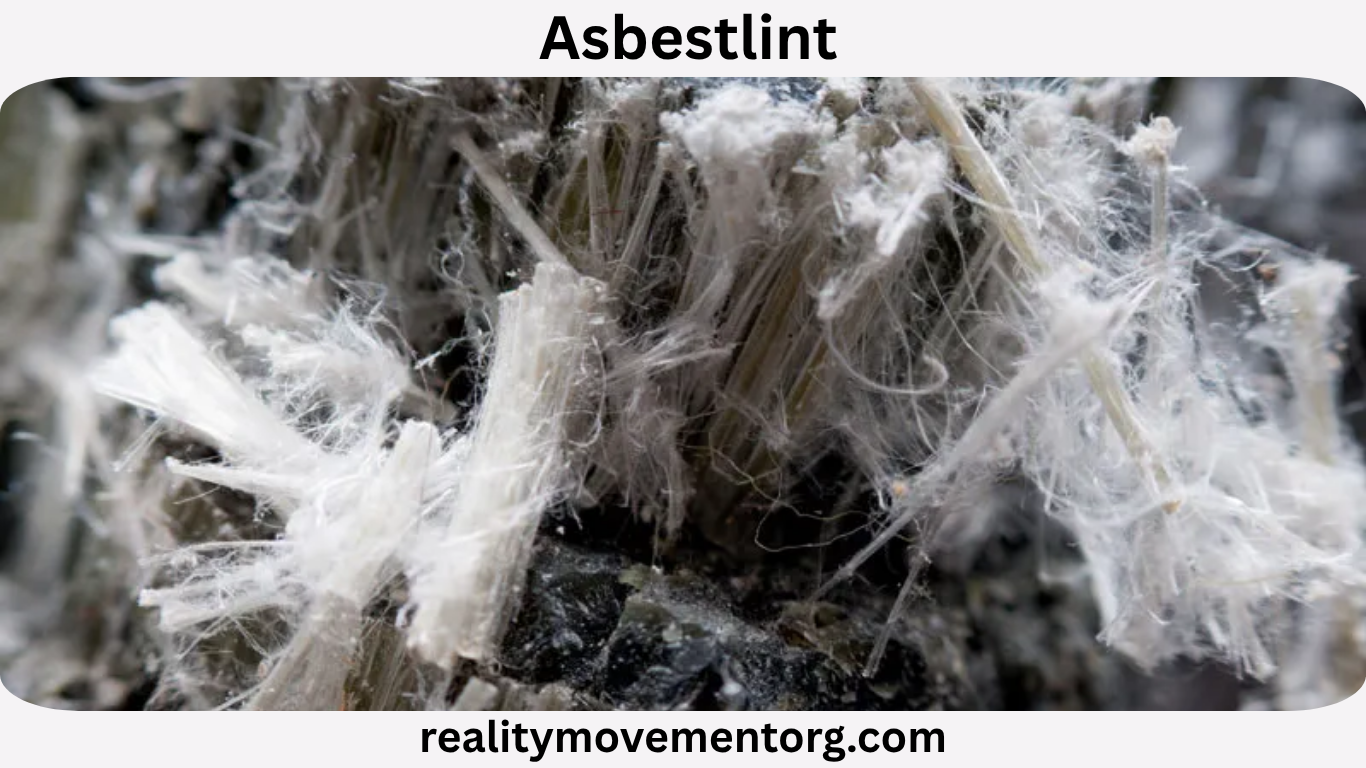
Asbestlint: What It Means, Why Asbestos Dust Is Dangerous, and How to Stay Safe
The word “asbestlint” is used to describe very fine dust or lint-like material associated with asbestos fibers. In practical terms, the concern is not the word itself but the possible presence of tiny airborne asbestos fibers released when asbestos-containing materials are damaged, cut, sanded, drilled, scraped, broken, or otherwise disturbed.
Asbestos is a naturally occurring group of fibrous minerals that was widely used during the 20th century because it resists heat, fire, corrosion, and wear. It was incorporated into many building and industrial products, including insulation, roofing materials, floor tiles, cement products, pipe coverings, wall materials, automobile brakes, and other products. Although asbestos use in the United States has been heavily restricted, older buildings and products can still contain it.
This makes understanding asbestlint important for homeowners, renters, maintenance workers, contractors, building owners, and anyone involved in renovation or demolition.
The most important point is simple: asbestos fibers are hazardous when they become airborne and are inhaled. The U.S. Environmental Protection Agency explains that asbestos-containing material that remains in good condition and is left undisturbed is generally unlikely to present a health risk. The danger increases when material is damaged or disturbed and fibers become airborne.
Asbestlint should therefore not be treated like ordinary household dust.
If you suspect that fine dust in an older building may contain asbestos, the safest response is to stop disturbing the material, keep people away from the area, and contact an appropriately trained asbestos professional for assessment.
This article explains what asbestlint means, where asbestos dust can come from, why asbestos fibers are dangerous, where asbestos may be found, how exposure occurs, what symptoms and diseases are associated with exposure, what homeowners should do, what workers need to know, and how to approach asbestos safely.
What Is Asbestlint?
Asbestlint is a descriptive term for very fine dust, lint-like particles, or airborne particulate material associated with asbestos-containing materials.
It is important to understand that asbestos itself is not ordinary lint.
Asbestos consists of extremely small mineral fibers. Individual asbestos fibers are too small to see with the naked eye. When asbestos-containing materials are disturbed, these fibers can become airborne and may be inhaled.
The word asbestlint may therefore be encountered when people describe asbestos-contaminated dust or fine material.
From a health and safety perspective, the exact label is less important than determining whether asbestos-containing material has been disturbed.
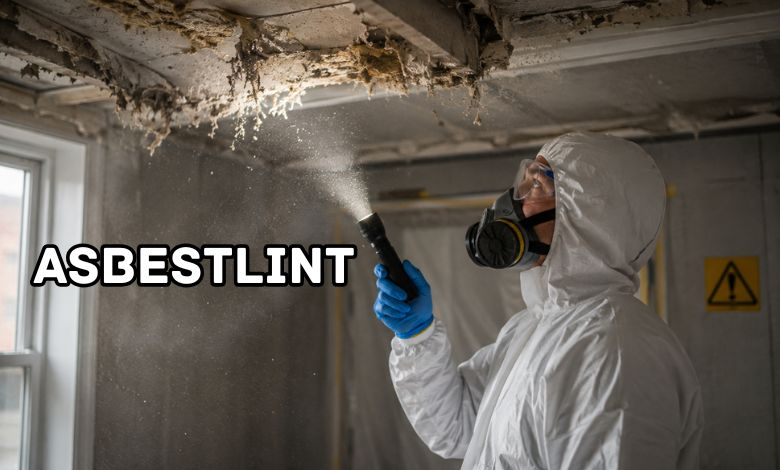
If old insulation, flooring, ceiling material, pipe covering, roofing material, or another suspect product has produced fine dust after damage or renovation, do not assume that the dust is harmless simply because it looks like ordinary household dust.
Also read:CDiPhone Explained: What It Means, How It Works, and How to Connect CDs With an iPhone
Why Asbestlint Can Be Dangerous
The primary danger is inhalation.
Asbestos fibers can become suspended in the air after asbestos-containing material is disturbed. A person nearby can breathe those fibers into the lungs.
According to the Agency for Toxic Substances and Disease Registry, disturbing asbestos minerals or asbestos-containing materials can release tiny fibers into the air. These fibers can become lodged in lung tissue and irritate the lungs.
This is different from many ordinary types of dust.
Common household dust may be irritating, but asbestos fibers have special physical properties that allow them to remain in the body and contribute to serious disease.
The health effects may also take many years to appear.
That long delay is one reason asbestos exposure can be difficult to recognize.
Understanding Asbestos Fibers
Asbestos is not one single mineral.
It is a group of naturally occurring fibrous minerals.
The six asbestos minerals included in the U.S. legal definition are:
- chrysotile
- amosite
- crocidolite
- tremolite
- anthophyllite
- actinolite
Chrysotile belongs to the serpentine group, while the other five are amphibole minerals.
These minerals were valued because their fibers are strong and resistant to heat and corrosion.
Unfortunately, the same properties that made asbestos useful also contribute to its persistence in the environment and body.
Why Asbestos Was Used in Older Buildings
Asbestos was popular because it offered several useful characteristics.
It could:
- resist heat
- resist fire
- strengthen materials
- provide insulation
- reduce noise
- withstand chemical conditions
- improve durability
For these reasons, asbestos was added to many construction and industrial products.
EPA information lists historical uses including roofing shingles, ceiling and floor tiles, paper products, asbestos-cement products, heat-resistant fabrics, gaskets, coatings, and automotive friction products.
This historical use explains why asbestos remains a concern in older properties.
Where Asbestlint or Asbestos Dust May Come From
Fine asbestos-containing dust can potentially be generated when older asbestos-containing materials are disturbed.
Possible sources include:
- deteriorating insulation
- damaged pipe insulation
- old floor tiles
- damaged ceiling tiles
- roofing materials
- asbestos cement
- old wall materials
- textured coatings
- insulation around furnaces
- heat-resistant materials
- automobile brake and clutch components
EPA notes that asbestos fibers may be released during demolition, maintenance, repair, remodeling, and product use when asbestos-containing material is disturbed.
The presence of an old material does not automatically mean dangerous airborne exposure is occurring.
The condition of the material matters.
Friable and Non-Friable Asbestos Materials
One important concept in asbestos safety is whether a material can easily release fibers.
Some asbestos-containing materials are more likely to release fibers when damaged or disturbed.
OSHA explains that the potential for an asbestos-containing product to release breathable fibers depends in part on its degree of friability.
A material that can be crumbled, broken, pulverized, or reduced to powder by hand is generally considered more vulnerable to fiber release.
However, even materials that appear solid can release asbestos fibers when they are cut, drilled, sanded, broken, or otherwise disturbed.
Asbestlint and Home Renovation
Home renovation is one of the situations where accidental asbestos exposure can occur.
A homeowner may want to:
- remove an old floor
- replace ceiling materials
- repair walls
- remodel a bathroom
- remove insulation
- replace pipes
- repair an older roof
- demolish part of an older building
The problem is that asbestos-containing materials can look ordinary.
EPA states that people generally cannot determine whether a material contains asbestos simply by looking at it unless it is labeled.
This is why visual inspection alone is not a reliable way to identify asbestos.
Why You Should Not Disturb Suspicious Material
If an old material might contain asbestos, disturbing it can create a larger problem.
Cutting, sanding, drilling, scraping, or breaking suspect material may release fibers.
EPA specifically warns that improper attempts to remove asbestos-containing materials can increase airborne asbestos levels inside homes.
A simple rule is useful:
If you do not know whether an older material contains asbestos, do not disturb it until it has been properly assessed.
Can You See Asbestlint?
Usually, you cannot identify individual asbestos fibers by looking at dust.
Asbestos fibers are extremely small.
A visible pile of dust may contain many different substances, and the presence of visible dust does not prove that it contains asbestos.
The opposite is also important.
The absence of visible dust does not prove that no asbestos fibers are present.
This is why professional assessment and appropriate laboratory analysis are used when asbestos identification is necessary.
Can Asbestos Dust Stay in the Air?
Asbestos fibers can become airborne when asbestos-containing materials are disturbed.
Their tiny size means they may not behave like heavy particles that quickly fall to the floor.
The length of time fibers remain airborne depends on factors such as the environment, disturbance, ventilation, and characteristics of the material.
This is one reason improper cleanup can be dangerous.
Sweeping or using ordinary cleaning methods may disturb contaminated dust instead of safely controlling it.
Why Ordinary Household Cleaning Can Be a Problem
If asbestos contamination is suspected, do not treat it like ordinary dirt.
Dry sweeping can disturb fine particles.
A household vacuum may also be inappropriate for asbestos contamination because ordinary equipment is not designed for asbestos control.
Professional asbestos work uses specialized procedures, equipment, containment methods, and waste-handling requirements.
The safest approach is to avoid disturbing suspected contamination and obtain professional guidance.
Health Effects of Asbestos Exposure
Asbestos exposure is associated with serious health conditions.
Major diseases include:
- lung cancer
- mesothelioma
- asbestosis
- pleural disease
ATSDR states that asbestos exposure can cause both cancer and noncancer diseases.
OSHA also identifies lung cancer and mesothelioma among the principal cancers associated with occupational asbestos exposure.
These conditions can be severe and sometimes fatal.
Asbestosis
Asbestosis is a long-term lung disease caused by breathing asbestos fibers.
The fibers can cause scarring in the lungs.
As the scar tissue develops, the lungs may become less able to move oxygen and carbon dioxide effectively.
ATSDR explains that asbestosis usually occurs after very high exposure over a long period.
Symptoms may include breathing difficulty and reduced lung function.
Because asbestosis is a chronic condition, medical evaluation is important for anyone with a significant history of asbestos exposure who develops concerning respiratory symptoms.
Mesothelioma
Mesothelioma is a rare but serious cancer associated with asbestos exposure.
It commonly affects the lining around the lungs and chest cavity, but it can also affect other tissues.
One difficult feature of mesothelioma is its long latency period.
ATSDR states that signs of mesothelioma may not appear until 30 to 40 years after asbestos exposure.
This long delay means a person may not connect a current illness with an exposure that happened decades earlier.
Lung Cancer and Asbestos
Asbestos exposure can increase the risk of lung cancer.
Smoking makes this risk even more serious.
ATSDR notes that smoking tobacco combined with asbestos exposure greatly increases the chance of developing lung cancer.
For people who have been exposed to asbestos and smoke, discussing both histories with a healthcare professional is important.
Other Cancers Associated With Asbestos
Asbestos exposure is not limited to lung disease.
ATSDR reports evidence linking asbestos exposure with cancers of the larynx and ovary and notes that current evidence also suggests associations with cancers of the pharynx, stomach, and colorectum.
This broad range of possible health effects explains why asbestos is treated as a serious occupational and environmental hazard.
Pleural Disease
Pleural disease affects the membrane surrounding the lungs and chest cavity.
Asbestos exposure can cause changes in this membrane.
ATSDR explains that pleural disease may involve thickening of the membrane or fluid buildup around the lungs.
Not every person with pleural changes will develop severe disease, but these findings can be important in evaluating a person’s exposure history.
Does Every Asbestos Exposure Cause Disease?
No.
Exposure does not mean that a person will definitely develop an asbestos-related illness.
Risk depends on several factors.
These can include:
- amount of exposure
- frequency of exposure
- duration of exposure
- type of asbestos
- work environment
- smoking history
- individual factors
ATSDR explains that disease risk depends on factors including how much asbestos is in the air and how often and how long exposure occurs.
However, OSHA emphasizes that there is no known safe level of asbestos exposure and that every occupational exposure contributes to disease risk.
This is why prevention is so important.
Short-Term Versus Long-Term Exposure
People often ask whether a brief exposure is dangerous.
There is no simple yes-or-no answer because exposure circumstances vary.
A brief encounter does not mean someone will automatically become sick.
However, asbestos is a known carcinogen, and avoiding unnecessary exposure is the safest approach.
OSHA notes that asbestos exposures as short as a few days have been associated with mesothelioma in humans.
The practical lesson is not to panic after every possible contact.
It is to prevent additional exposure and seek appropriate professional advice when a meaningful exposure may have occurred.
Symptoms of Asbestos-Related Disease
Asbestos-related diseases can take years or decades to develop.
Possible symptoms may include:
- persistent cough
- shortness of breath
- chest discomfort
- reduced exercise tolerance
- unexplained weight loss
- persistent respiratory problems
These symptoms are not specific to asbestos exposure.
Many other medical conditions can cause them.
Therefore, symptoms alone cannot establish an asbestos-related diagnosis.
What to Do After Possible Asbestos Exposure
If you believe you may have been exposed, the first step is to prevent additional exposure.
Do not continue disturbing the suspected material.
If exposure occurred at work, report it through the appropriate workplace safety process.
If exposure occurred at home, consider contacting a qualified asbestos professional.
If you are concerned about your health, speak with a healthcare provider and explain your asbestos exposure history.
ATSDR specifically advises people concerned about asbestos exposure to visit a doctor or other medical provider.
Should You Get Medical Testing After Exposure?
Medical decisions depend on the nature and extent of exposure.
A healthcare provider may ask about:
- when exposure occurred
- where it occurred
- how long it lasted
- the type of work involved
- whether exposure happened repeatedly
- smoking history
- current symptoms
- occupational history
EPA explains that healthcare providers evaluate possible asbestos-related disease using a detailed medical history and may use tools such as chest X-rays and pulmonary function tests when appropriate.
Do not assume that a particular scan or test is automatically necessary after every possible exposure.
Also read:Woeken Explained: Meaning, Spelling, Uses, and the Difference Between Woeken and Woken
A healthcare professional can determine what is appropriate.
Asbestlint in Older Homes
Older homes deserve special attention because asbestos was historically used in many building materials.
Potential locations include:
- insulation
- flooring
- ceiling products
- roofing materials
- pipe insulation
- furnace materials
- wall materials
- cement products
- certain coatings
However, the age of a building alone cannot tell you whether asbestos is present.
A professional assessment may be appropriate before major renovation work.
Asbestos in Schools
Older schools can also contain asbestos-containing materials.
This is one reason asbestos management programs are important in educational buildings.
The presence of asbestos in a school does not automatically mean that students or teachers are being dangerously exposed.
EPA explains that asbestos-containing materials that remain intact and undisturbed may not present the same risk as damaged or disturbed materials.
Proper management focuses on preventing fiber release.
Asbestos in the Workplace
Workers in construction, renovation, demolition, ship repair, and certain industrial occupations can face increased exposure risks.
OSHA has specific asbestos standards for construction, general industry, and maritime work.
Employers may have responsibilities involving:
- exposure assessment
- regulated areas
- engineering controls
- work practices
- employee training
- protective equipment
- medical monitoring in specified circumstances
Workers should follow their employer’s asbestos safety program and applicable regulations.
Jobs With Higher Potential Exposure
Historically, workers in several industries faced significant asbestos exposure.
Potentially affected occupations include:
- construction workers
- demolition workers
- insulation workers
- maintenance workers
- shipyard workers
- mechanics
- certain manufacturing workers
- asbestos abatement professionals
The actual risk depends on the specific work and controls in place.
Why DIY Asbestos Removal Can Be Dangerous
Removing asbestos is not like removing ordinary drywall or flooring.
The goal is not simply to make the material disappear.
The goal is to prevent fibers from becoming airborne and spreading to people or other areas.
A homeowner who cuts, breaks, sands, or removes suspect materials without appropriate controls can unintentionally increase exposure.
EPA recommends having a trained and accredited asbestos professional inspect and sample suspect materials when testing is needed. It specifically says taking samples yourself is not recommended because improper sampling can increase health risk.
How Professionals Identify Asbestos
Visual appearance alone is generally insufficient.
A qualified asbestos professional can determine whether testing is appropriate and follow procedures designed to minimize fiber release.
When sampling is required, a laboratory can analyze the material.
This is much safer and more reliable than trying to identify asbestos based on color, texture, or age.
What Homeowners Should Do Before Remodeling
If your property is older and you plan significant remodeling:
- Identify areas that will be disturbed.
- Determine whether suspect materials may be present.
- Do not drill, sand, scrape, or remove questionable materials.
- Contact an appropriately trained asbestos professional if assessment is needed.
- Follow applicable state and local requirements.
- Use qualified contractors for asbestos-related work.
Planning before demolition is much safer than discovering a possible asbestos problem after dust has already spread.
Asbestlint and Indoor Air Quality
Asbestos can affect indoor air quality when fibers become airborne.
EPA explains that elevated airborne asbestos concentrations can occur after asbestos-containing materials are disturbed by cutting, sanding, or remodeling.
Indoor air concerns are particularly important because people may spend many hours inside homes, schools, offices, and other buildings.
The best strategy is source control.
Prevent fibers from entering the air in the first place.
Does Intact Asbestos Always Need to Be Removed?
No.
This is an important point.
The safest choice is not always immediate removal.
EPA states that asbestos-containing material in good condition and left undisturbed is unlikely to present a health risk. Managing it in place and keeping it in good repair is often the best approach.
Removing intact material unnecessarily can create a new exposure risk.
Professional assessment can help determine whether management in place, repair, encapsulation, or removal is appropriate.
Why “Remove Everything” Is Not Always the Best Strategy
People sometimes believe that every piece of asbestos-containing material should immediately be removed.
That sounds logical but can be counterproductive.
Removal itself can disturb material and release fibers.
In some situations, leaving intact asbestos undisturbed and managing it carefully may be safer.
The correct approach depends on:
- condition of the material
- location
- likelihood of disturbance
- planned renovation
- building use
- applicable regulations
U.S. Asbestos Regulations
Asbestos is highly regulated in the United States.
OSHA regulates occupational exposure through standards covering construction, general industry, and maritime employment.
EPA regulates asbestos under environmental and chemical laws, including the Toxic Substances Control Act.
EPA completed the second part of its asbestos risk evaluation in November 2024 and determined that certain legacy uses and associated disposals contribute significantly to unreasonable risk.
EPA also finalized a rule in 2024 banning ongoing uses of chrysotile asbestos covered by that rule.
Because regulations can change and state requirements may be stricter, property owners and contractors should check current federal, state, and local requirements.
Federal Rules Are Not the Whole Picture
Asbestos requirements can vary depending on:
- state
- city
- building type
- project size
- work activity
- employer
- material involved
Some states operate OSHA-approved state plans that may have standards at least as effective as federal OSHA requirements and may be more stringent.
Therefore, do not assume that one rule applies identically everywhere in the United States.
Asbestos and Environmental Contamination
Asbestos can also occur naturally in certain rocks and soils.
ATSDR explains that asbestos occurs naturally in the environment and may also be present because old asbestos-containing products break down or are disposed of.
People can therefore encounter asbestos outside traditional buildings.
Potential exposure can occur when contaminated soil or natural deposits are disturbed.
Asbestlint and Household Dust
One of the most common mistakes is assuming that every unusual dust is asbestos.
Most household dust is not asbestos.
The appearance of dust cannot establish its composition.
At the same time, if dust has been created by disturbing an older material known or suspected to contain asbestos, it should not be treated as ordinary dust.
The correct response is to stop the activity and seek professional advice.
How to Reduce Asbestos Exposure
The most effective prevention strategy is simple:
Avoid disturbing asbestos-containing materials.
Other protective steps include:
- identify suspect materials before renovation
- keep intact asbestos materials in good condition
- use trained professionals for asbestos work
- follow workplace asbestos procedures
- keep unauthorized people away from work areas
- follow applicable regulations
- do not dry sweep suspected asbestos dust
- do not use ordinary household tools to disturb suspect materials
ATSDR emphasizes that preventing further exposure can reduce the chance of developing asbestos-related disease.
Protecting Children From Asbestos Exposure
Children should never be allowed to play around damaged suspect building materials.
If an older building has crumbling insulation, damaged ceiling materials, deteriorating flooring, or another suspected asbestos source, keep children away from the area.
Children may be especially likely to touch or disturb materials without understanding the danger.
Good building maintenance and professional asbestos management help reduce unnecessary exposure.
What Renters Should Do
Renters should not attempt to investigate or remove suspected asbestos themselves.
If you notice:
- damaged insulation
- crumbling ceiling material
- damaged flooring
- unusual dust from building materials
- renovation that appears to disturb old materials
contact your landlord or property manager.
If the concern is serious or the material is actively being disturbed, appropriate building and workplace authorities may need to become involved depending on the circumstances.
What Building Owners Should Do
Building owners should maintain awareness of asbestos-containing materials where applicable.
Before renovation or demolition, owners should determine whether asbestos could be present and follow applicable requirements.
A good asbestos management approach focuses on:
- identification
- documentation
- monitoring
- communication
- maintenance
- controlled work practices
The goal is to prevent accidental disturbance.
Why Asbestos Information Must Be Current
Asbestos regulations, products, workplace requirements, and government policies can change.
This makes current information especially important.
EPA’s asbestos pages were updated in 2026 and include current information about asbestos regulation and risk evaluation.
For any active renovation, demolition, workplace project, or legal compliance question, use current government guidance rather than relying solely on an old article.
Common Myths About Asbestlint and Asbestos
Myth 1: You Can Always See Asbestos Fibers
False.
Individual fibers are too small to see with the naked eye.
Myth 2: Old Asbestos Is Always Dangerous
Not necessarily.
Intact, undisturbed asbestos-containing material may present little immediate risk compared with damaged or disturbed material.
Myth 3: Any Contact Means You Will Get Cancer
False.
Exposure increases risk but does not mean disease is guaranteed.
Myth 4: You Can Identify Asbestos by Color
Not reliably.
EPA recommends professional assessment and appropriate laboratory analysis when identification is necessary.
Myth 5: A Normal Household Vacuum Is Enough
Do not assume this.
Asbestos contamination requires appropriate professional control methods.
A Practical Asbestlint Safety Checklist
If you suspect asbestos-containing dust, use this simple checklist.
Stop the Work
Do not continue drilling, cutting, sanding, scraping, or demolition.
Keep People Away
Prevent unnecessary access to the affected area.
Avoid Creating More Dust
Do not sweep, blow, or otherwise disturb suspected contamination.
Do Not Sample It Yourself
EPA recommends using a trained and accredited asbestos professional when sampling is needed.
Contact a Qualified Professional
Get appropriate assessment before continuing renovation or cleanup.
Consider Medical Advice
If you believe you experienced meaningful exposure, tell your healthcare provider about it.
The Most Important Lesson About Asbestlint
The biggest mistake is focusing only on what the dust looks like.
Asbestos fibers cannot reliably be identified by appearance.
The more useful questions are:
Was an older asbestos-containing material disturbed?
Could fibers have become airborne?
Was anyone exposed?
Has the source been controlled?
Does professional testing or assessment need to occur?
These questions lead to safer decisions.
Final Thoughts
Asbestlint is best understood as a term associated with very fine dust or lint-like material involving asbestos fibers. The real concern is airborne asbestos because inhaled fibers can remain in the lungs and contribute to serious diseases, including asbestosis, lung cancer, mesothelioma, and other conditions.
The presence of asbestos in an older building does not automatically mean that people are being dangerously exposed. EPA explains that asbestos-containing materials that remain intact and undisturbed are generally unlikely to present a health risk. The situation changes when materials are damaged or disturbed and fibers become airborne.
For homeowners, renters, workers, and building owners, prevention is the most important strategy. Do not disturb suspicious older materials simply to find out what they are. If renovation or repair could affect possible asbestos-containing material, seek help from an appropriately trained professional.
Most importantly, do not rely on the appearance of dust or building materials to determine whether asbestos is present. Asbestos fibers are too small to see, and professional assessment is the safer way to address uncertainty.
FAQs About Asbestlint
Is asbestlint the same thing as ordinary household dust?
No. Asbestlint is used to describe fine, lint-like dust associated with asbestos fibers. Ordinary household dust does not automatically contain asbestos. However, dust produced by disturbing a suspected asbestos-containing material should be treated cautiously.
Can I test suspicious asbestos dust myself?
DIY sampling is not recommended. EPA advises having suspect materials assessed and sampled by a trained and accredited asbestos professional because improper sampling can release fibers and increase exposure.
What should I do if I accidentally disturbed an old asbestos-containing material?
Stop the activity and avoid further disturbance. Keep other people away from the area and seek advice from an appropriately qualified asbestos professional. If you are concerned about personal exposure, tell a healthcare provider what happened.
Can asbestos-related illness appear immediately?
Usually, asbestos-related diseases have long latency periods. Some conditions may not become apparent until many years after exposure. ATSDR notes that mesothelioma symptoms may not appear for 30 to 40 years after exposure.
Does an older house always need asbestos removal?
No. If asbestos-containing material is intact and will not be disturbed, managing it in place may be safer than removing it unnecessarily. EPA specifically notes that keeping asbestos-containing material in good repair and undisturbed is often the best approach.