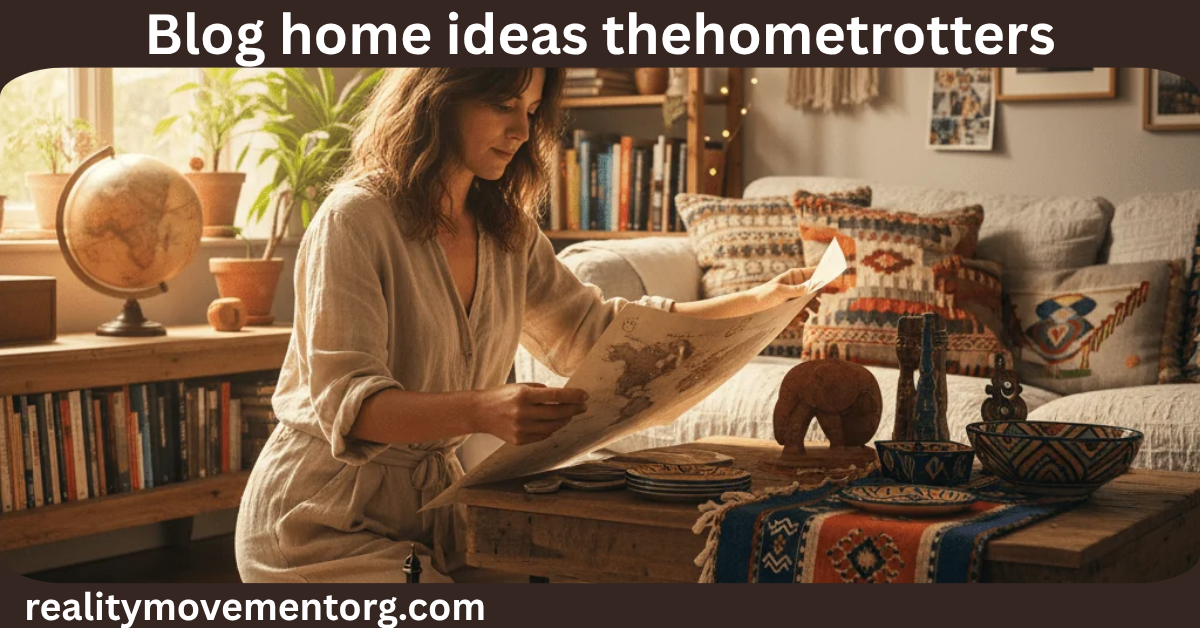
Blog Home Ideas TheHomeTrotters: A Complete Guide to Creating a Comfortable, Stylish, and Practical Home
A home should do more than look beautiful in pictures. It should feel comfortable when you wake up, work well when life gets busy, and make everyday tasks easier. This is the main idea behind blog home ideas thehometrotters: creating living spaces that balance appearance, comfort, function, personality, and practical needs.
Many people search for home decorating ideas because they want a fresh look. Others want better storage, a more useful kitchen, a calmer bedroom, a productive home office, or a living room that feels larger. Some homeowners want to improve their property without spending a large amount of money. Renters may want changes that do not require major construction.
The best home ideas are not necessarily the most expensive ones. In many cases, a small change in furniture placement, lighting, color, storage, or organization can have a bigger effect than buying several new decorations.
Current online pages connected with thehometrotters home ideas commonly focus on practical décor, room improvements, organization, DIY projects, smart home features, and budget-friendly changes. This guide builds on those themes but looks at them from a broader perspective: how can a homeowner make a space genuinely better instead of simply making it look different?
What Does Blog Home Ideas TheHomeTrotters Mean?
Blog home ideas thehometrotters is a search phrase associated with home décor, interior design, organization, renovation, maintenance, and lifestyle inspiration.
The concept is simple. Instead of treating home design as a collection of fashionable products, it focuses on ideas that can be adapted to real homes.
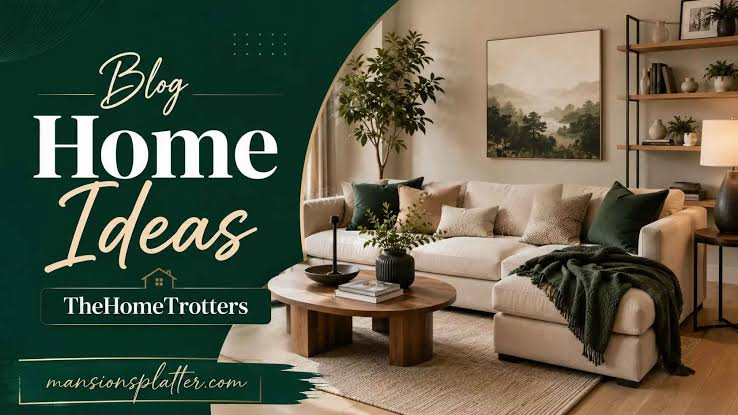
That distinction matters.
A professionally photographed room may look perfect, but it may not work well for a family with children. A beautiful minimalist room may be difficult to maintain if the household needs lots of storage. A large sectional sofa may look comfortable but could make a small living room feel crowded.
Good home design begins with real life.
TheHomeTrotters-related content found online commonly presents home improvement as a combination of style and practical function. Topics include décor, DIY projects, repairs, storage, room layouts, and modern home improvements.
The most useful interpretation of blog home ideas thehometrotters is therefore not simply “make your house prettier.” It is “make your home work better while making it feel more personal.”
Why Good Home Design Is About More Than Decoration
Decoration is only one part of interior design.
A room can contain beautiful furniture and still feel uncomfortable.
It can have expensive artwork and still have poor lighting.
It can follow a popular color trend and still have nowhere to store everyday items.
This happens because appearance and function are different design problems.
A successful room solves both.
For example, a living room needs comfortable seating, clear walking paths, useful lighting, storage, and a visual focal point. A bedroom needs a comfortable bed, appropriate lighting, enough storage, and a relaxing atmosphere. A kitchen needs efficient work areas, accessible storage, safe movement, and suitable lighting.
The most effective home ideas begin by asking what the room needs to accomplish.
Once that question is answered, style becomes easier.
Start With the Way You Actually Live
Before changing a room, spend a few days observing how you use it.
This simple step can reveal problems that are easy to miss.
Maybe everyone puts shoes near the front door because there is no practical storage there. Perhaps family members leave phones and chargers on the kitchen counter because there is no charging station. Maybe the living room feels crowded because the furniture is arranged around the walls instead of around conversation.
These are design problems, not decoration problems.
A useful home improvement plan should begin with everyday behavior.
Ask yourself where people sit, where they walk, where they put things, where clutter appears, and which areas are rarely used.
This information can guide better decisions than copying a room from a magazine.
Create a Home Style That Feels Personal
A home does not need to follow one strict design style.
Some people like modern interiors. Others prefer traditional furniture, farmhouse details, Scandinavian simplicity, industrial elements, coastal colors, or a mixture of several styles.
The important thing is visual balance.
If every room looks completely different, the home can feel disconnected.
A simple way to create consistency is to repeat a few elements.
You might use similar wood tones throughout the house.
You might repeat one accent color.
You might use similar metal finishes.
You might maintain a consistent approach to lighting.
These small connections make separate rooms feel like part of one home.
Blog Home Ideas TheHomeTrotters for the Living Room
The living room is often the social center of a home.
It may be used for watching television, talking with family, reading, entertaining guests, playing games, or simply relaxing.
Because it has so many purposes, flexibility is important.
One common mistake is buying furniture before deciding how people will use the room.
Instead, start with the main activity.
If conversation is important, arrange seating so people can comfortably face one another.
If television viewing is the main purpose, make sure the screen is visible without forcing people into awkward positions.
If the room is small, choose furniture that provides more than one function.
An ottoman can provide seating, storage, and a footrest.
A narrow console can provide storage without taking up too much floor space.
A sofa with a simple shape can make a small room feel less crowded.
How to Make a Small Living Room Feel Larger
A small living room does not necessarily need a major renovation.
The first improvement should usually be the layout.
Remove furniture that blocks natural movement.
Leave clear paths between important areas.
Avoid placing too many large pieces around the room.
Mirrors can also help reflect light and create a stronger sense of openness. Current TheHomeTrotters-related home advice commonly includes mirrors, lighting, rugs, storage, and furniture arrangement as ways to improve how a room feels.
However, mirrors should be used thoughtfully.
One large, well-positioned mirror can be more effective than several small mirrors placed randomly.
Choose a Focal Point
Every room benefits from a visual anchor.
In a living room, the focal point could be a fireplace, a large window, artwork, or a television.
The goal is not to make everything compete for attention.
If a room has too many strong visual elements, it can feel busy.
Choose one main feature and let other elements support it.
This principle is especially useful when working with a limited budget because you can spend more attention on one area rather than trying to decorate every wall.
Use Lighting in Layers
Lighting can completely change a room.
Instead of relying on one ceiling light, consider three basic layers.
General lighting provides overall illumination.
Task lighting supports activities such as reading or working.
Accent lighting highlights artwork, plants, shelves, or architectural details.
This approach makes a room more flexible.
Bright lighting can be useful during cleaning or work.
Softer lighting can create a calmer atmosphere in the evening.
Natural light should also be considered.
Keep windows as open as practical and avoid placing large objects directly in front of them if they block daylight.
Blog Home Ideas TheHomeTrotters for the Kitchen
The kitchen is one of the most important rooms to plan around function.
It is not simply a place for cooking.
Modern kitchens may also be used for homework, family conversations, entertaining, eating, working, and storing large amounts of equipment.
This creates a common problem: too many purposes and not enough space.
The solution is not always a larger kitchen.
Better organization can make an existing kitchen feel much more useful.
Start by identifying the items you use most often.
Keep frequently used cookware, utensils, and ingredients within easy reach.
Store rarely used items in less accessible areas.
Avoid allowing the countertop to become permanent storage.
A clear countertop creates more usable work space and makes the kitchen appear cleaner.
Make Kitchen Storage Work Harder
Storage should match behavior.
If you use spices every day, they should not be hidden at the back of a cabinet.
If you rarely use a large serving dish, it does not need prime storage space.
Drawer organizers, vertical dividers, wall shelves, and cabinet organizers can make existing storage more efficient.
Before buying a storage product, measure the available space.
Many organization problems happen because people purchase containers first and then try to make them fit.
The better method is to understand the space first.
Improve Kitchen Lighting
Kitchens benefit strongly from task lighting.
A ceiling light may illuminate the room but still leave shadows on countertops.
Under-cabinet lighting can improve visibility while also creating a more modern appearance.
Pendant lights can add style above an island or dining area, but they should be positioned carefully so they do not interfere with movement or sight lines.
Lighting should always support the task first and decoration second.
Blog Home Ideas TheHomeTrotters for the Bedroom
The bedroom should feel different from active areas of the home.
It should support rest.
That means reducing visual noise can be more important than following a dramatic design trend.
Start with the bed because it is usually the largest visual element.
Choose bedding that feels comfortable rather than selecting it only for appearance.
Keep bedside surfaces simple.
A small lamp, book, clock, or essential item may be enough.
Too many objects near the bed can make the space feel busy.
Create a Calmer Bedroom
Color can influence the feeling of a room.
Soft neutrals, muted greens, gentle blues, warm beige, and similar tones can create a quieter atmosphere.
This does not mean every bedroom must be white or beige.
A darker color can also create a cozy feeling when balanced with suitable lighting.
The key is consistency.
Use a limited palette rather than combining too many competing colors.
Bedroom Storage Without Visual Clutter
Storage is especially important in bedrooms because clothing and personal items can quickly become visible.
Closed storage can help maintain a cleaner visual appearance.
Under-bed storage can be useful when there is limited closet space.
A bench at the end of a bed can provide seating and sometimes hidden storage.
However, storage should not become an excuse to keep unnecessary items.
The best organization system is one that makes useful items easy to access and unnecessary items easy to remove.
Blog Home Ideas TheHomeTrotters for the Bathroom
Bathrooms are often small, which makes planning important.
A bathroom can feel more comfortable when the floor is visually clear.
Wall-mounted storage can sometimes create more usable space than bulky floor cabinets.
Mirrors are useful because they provide both practical function and visual depth.
Good bathroom lighting should provide enough brightness for grooming without creating harsh shadows.
Ventilation is also important.
A beautiful bathroom that develops moisture problems is not a successful design.
Design should always consider maintenance.
Small Bathroom Improvements
You do not always need to replace everything.
Changing hardware can create a noticeable update.
New lighting can improve the room.
A fresh mirror can change the visual character.
New towels and a coordinated shower curtain can introduce color.
Improved storage can reduce clutter.
These smaller changes can be much cheaper than a complete renovation.
Blog Home Ideas TheHomeTrotters for the Home Office
Working from home requires a balance between comfort and concentration.
A home office does not need to occupy an entire room.
A small corner can work if it has enough light, a suitable desk, and a comfortable chair.
The desk should provide enough space for the equipment you actually use.
Avoid creating a workspace that looks good but becomes uncomfortable after an hour.
Ergonomics should be considered before decoration.
A monitor should be positioned appropriately, the chair should provide adequate support, and frequently used items should be easy to reach.
Make a Home Office Feel Less Distracting
Visual clutter can make it harder to focus.
Use cable management to keep wires organized.
Limit decorative objects to a few meaningful pieces.
Use shelves or drawers for items that do not need to remain visible.
Lighting is also important.
Natural light can make a workspace feel more pleasant, while task lighting can reduce strain during focused work.
Blog Home Ideas TheHomeTrotters for Entryways
The entryway is one of the most overlooked parts of a home.
It is also one of the first places people see.
A well-designed entryway can make daily routines easier.
Create a place for shoes.
Create a place for keys.
Create a place for bags.
If space allows, add a small seat.
The goal is to prevent these objects from spreading into other rooms.
An entryway does not need to be large.
It needs to be organized.
Use Vertical Space
Walls are often underused.
Tall shelves can provide storage without taking up much floor area.
Hooks can hold coats, bags, and accessories.
Wall-mounted organizers can help in kitchens, offices, entryways, and bathrooms.
Vertical storage can also draw the eye upward and make a room feel taller.
However, avoid filling every wall.
Empty space is also part of good design.
Blog Home Ideas TheHomeTrotters for Dining Areas
A dining area should support comfortable eating and conversation.
The table should be appropriately sized for the household.
There should be enough room to move around chairs.
Lighting above the table can create a strong focal point.
A simple centerpiece can add personality without interfering with conversation.
If the dining area is small, consider furniture that can serve multiple purposes.
A table may be used for meals, homework, crafts, or occasional work.
Flexible furniture is especially valuable in smaller homes.
Home Decor Ideas That Do Not Look Overdone
Decorating becomes difficult when every available surface is filled.
A better approach is to create visual breathing room.
Choose a few meaningful objects.
Display books you actually enjoy.
Use artwork that has personal meaning.
Add plants where they can thrive.
Keep some shelves partly empty.
The goal is not to show how many decorative items you own.
The goal is to create a space that feels intentional.
Bring Nature Into the Home
Plants are one of the easiest ways to make an interior feel more alive.
Choose plants based on the actual conditions of your home.
Consider available sunlight, humidity, temperature, maintenance time, and household safety.
Do not choose a plant simply because it looks attractive online.
A plant that cannot survive in your room will quickly become a maintenance problem.
Natural materials can also create warmth.
Wood, stone, cotton, linen, rattan, and similar materials can add texture without requiring dramatic decoration.
Blog Home Ideas TheHomeTrotters for Small Apartments
Small homes require careful decisions.
Every piece of furniture should earn its space.
A coffee table with storage may be more useful than a purely decorative table.
A foldable dining table can provide flexibility.
A sofa bed can serve two purposes.
Tall shelves can use vertical space.
Light colors can help create an open feeling, although small spaces do not need to be entirely white.
The most important rule is to avoid overcrowding.
A small room with fewer useful objects can feel better than a larger room filled with unnecessary furniture.
Make Open-Plan Spaces Feel Organized
Open floor plans can feel spacious but sometimes lack definition.
Different areas can be separated without building walls.
Also read:OnlyWorkMoods com: A Complete Guide to the Website, Its Content, Purpose, Safety, and Online Value
A rug can define the living area.
Lighting can distinguish the dining area.
Furniture placement can create boundaries.
A bookshelf can provide partial separation.
The objective is to create zones while preserving the sense of openness.
This is especially useful in apartments and modern homes where one large room serves several purposes.
Budget-Friendly Home Improvements
Not every home project needs a large budget.
Some of the most effective improvements cost very little.
Rearranging furniture costs nothing.
Decluttering costs nothing.
Cleaning windows can improve natural light.
Changing the position of lamps can alter the atmosphere.
Reorganizing shelves can make storage more useful.
Replacing outdated hardware can be relatively inexpensive.
Adding plants, textiles, or artwork can refresh a room without major construction.
This is why practical home design should focus on impact rather than price.
Spend Money Where It Matters
When the budget is limited, prioritize things that affect daily life.
A comfortable mattress may matter more than decorative bedding.
A good desk chair may matter more than office accessories.
Reliable lighting may matter more than expensive wall art.
A quality faucet may be more useful than a decorative kitchen item.
This way of thinking prevents a common mistake: spending heavily on things that look impressive while ignoring things that people use every day.
DIY Home Projects
DIY projects can add personality and save money, but they should be chosen carefully.
Painting a wall may be suitable for a beginner.
Installing simple shelves may also be manageable with the right tools and instructions.
More complex electrical, structural, gas, roofing, or plumbing work may require professional expertise.
A useful rule is simple: if a mistake could create a serious safety problem, do not treat it as a casual DIY project.
Home improvement should improve your home, not create a new hazard.
Home Repairs Should Come Before Decoration
A beautiful room with a leaking pipe is still a problem.
Before spending money on decoration, check whether the home has maintenance issues.
Look for signs of moisture.
Check damaged seals.
Inspect doors and windows.
Pay attention to unusual electrical behavior.
Clean filters where appropriate.
Repair small problems before they become larger ones.
This practical approach is consistent with the broader TheHomeTrotters emphasis on combining home décor with repairs and maintenance.
Energy-Efficient Home Ideas
Energy efficiency can improve both comfort and long-term household costs.
LED lighting is a simple improvement.
Efficient appliances can reduce energy use.
Proper insulation can improve indoor comfort.
Sealing obvious drafts can reduce unwanted heat transfer.
Smart thermostats may help households manage heating and cooling more efficiently when used correctly.
However, energy upgrades should be evaluated based on the home and climate.
A product is not automatically worthwhile simply because it is marketed as energy-saving.
Smart Home Ideas
Technology can make a home more convenient.
Smart lighting can provide adjustable schedules.
Smart thermostats can help manage temperature.
Smart locks can provide additional convenience.
Smart sensors can provide alerts.
But technology should solve a real problem.
Adding a smart device simply because it is fashionable can create unnecessary complexity.
A good smart home is not the home with the most devices.
It is the home where technology quietly makes daily life easier.
Outdoor Home Ideas
Outdoor areas are often treated as secondary spaces.
But a balcony, patio, porch, or small yard can become an important extension of the home.
Start with seating.
Then consider shade.
Add plants suited to the local environment.
Use outdoor lighting for evening comfort.
Choose materials designed for outdoor conditions.
Even a very small balcony can become a useful place for reading, drinking coffee, or relaxing.
Create a Comfortable Outdoor Atmosphere
Outdoor design should consider comfort as well as appearance.
A chair that looks beautiful but is uncomfortable will rarely be used.
Plants should match sunlight and weather conditions.
Lighting should be useful without becoming overwhelming.
Textiles should be appropriate for outdoor exposure.
The best outdoor space encourages people to actually spend time there.
Sustainable Home Design
Sustainable design is becoming more important because homeowners increasingly care about energy use, waste, materials, and long-term value.
One of the simplest sustainable choices is to buy less.
Instead of replacing furniture every year, consider whether an existing piece can be repaired, refinished, moved, or updated.
Secondhand furniture can also provide character.
Durable materials can reduce the need for frequent replacement.
Energy-efficient upgrades can improve long-term performance.
Sustainability is not only about buying environmentally marketed products.
It is also about consuming thoughtfully.
The Importance of Maintenance in Home Design
A home does not remain beautiful automatically.
Paint becomes dirty.
Furniture becomes worn.
Plants need care.
Appliances need maintenance.
Storage becomes cluttered.
A successful design should be easy enough to maintain.
This is an important point that is sometimes missing from online inspiration content.
Before choosing a complicated design, ask whether you will still want to maintain it six months later.
If the answer is no, choose a simpler solution.
Seasonal Home Refresh Ideas
You do not need a complete makeover every season.
Small seasonal changes can refresh the atmosphere.
In spring, lighter textiles and fresh plants can make rooms feel brighter.
In summer, breathable fabrics and lighter colors can create a cooler visual effect.
In fall, warmer textures can make spaces feel comfortable.
In winter, layered lighting and soft textiles can create a cozy atmosphere.
The key is to change accessories rather than constantly replacing major furniture.
Common Home Design Mistakes
One common mistake is buying furniture without measuring the room.
Another is placing furniture against every wall.
Another is using too many colors.
Also read:MapleStory Newspaper: Everything You Need to Know About In-Game News, Events, and Official Updates
Another is ignoring lighting.
Another is buying storage without first removing unnecessary items.
Another is copying a trend without considering lifestyle.
Another is trying to make every room look identical.
These mistakes are avoidable with basic planning.
Measure Before You Buy
Measurements are one of the most practical tools in home design.
Measure walls.
Measure doorways.
Measure windows.
Measure furniture.
Measure walking spaces.
Do not assume that something will fit because it looks small in a photograph.
This is especially important when ordering furniture online.
A piece that looks perfect on a screen may dominate a room in reality.
Design Around Real People
A home should fit the people who live there.
If someone has mobility challenges, walking paths become more important.
If children live in the home, durable and easy-to-clean materials may be useful.
If pets are present, furniture and flooring should be selected with them in mind.
If someone works from home, the workspace deserves proper attention.
Good design responds to real needs.
How to Make a Home Feel More Peaceful
A calmer home usually has fewer sources of visual and physical friction.
Reduce unnecessary clutter.
Create predictable storage locations.
Use comfortable lighting.
Keep walking paths clear.
Choose colors that feel pleasant to you.
Add natural elements.
Avoid overcrowding.
The goal is not to create an empty home.
It is to create a home where the things you need have a logical place.
The Role of Personal Memories
A home should not feel like a hotel showroom.
Personal items give a home identity.
Family photographs, travel souvenirs, artwork, books, handmade objects, and inherited pieces can all contribute to character.
The trick is presentation.
Instead of displaying everything, choose meaningful pieces and give them enough space.
This makes personal objects feel intentional rather than cluttered.
How to Plan a Whole-Home Makeover
A whole-home makeover can become overwhelming if every room is tackled at once.
Start with the room that creates the biggest daily problem.
If the kitchen is difficult to use, begin there.
If the bedroom is uncomfortable, prioritize it.
If clutter is spreading everywhere, begin with storage.
After identifying the first priority, create smaller tasks.
This approach reduces cost and makes progress easier to see.
A Practical Home Improvement Order
A sensible order is to begin with safety and repairs.
Then improve function.
Then improve organization.
Then address lighting.
Then update major visual elements.
Finally, add decorative details.
This order prevents wasted effort.
There is little value in installing beautiful decorations before repairing a damaged wall.
How Blog Home Ideas TheHomeTrotters Can Inspire Better Decisions
The biggest value of blog home ideas thehometrotters is not any single decorating trick.
The stronger idea is the combination of creativity and practical thinking.
Home inspiration becomes more useful when readers ask how an idea would work in their own home.
Will it fit?
Will it be comfortable?
Can it be maintained?
Does it solve a problem?
Does it fit the budget?
Will it still look good after the trend disappears?
These questions turn inspiration into decision-making.
What Makes a Home Truly Stylish?
Style is not simply about expensive furniture.
A stylish home usually has a sense of balance.
Furniture has appropriate proportions.
Colors work together.
Lighting supports the room.
Decorations have purpose.
Storage is controlled.
There is enough empty space.
Most importantly, the home feels connected to the people who live there.
That is why copying another person’s home rarely produces the same result.
Your lifestyle is different.
Your space is different.
Your budget is different.
Your priorities are different.
The Future of Home Design
Home design is moving toward greater flexibility.
People want rooms that can serve multiple purposes.
Home offices are becoming more common.
Smart technology is becoming easier to use.
Energy efficiency is becoming more important.
Small-space living requires smarter furniture and storage.
At the same time, people continue to value comfort, natural materials, plants, personal objects, and spaces that feel calm.
The future is therefore unlikely to be about one single design style.
It will be about homes that adapt to their residents.
Final Thoughts
Blog home ideas thehometrotters can be understood as a practical approach to improving the way a home looks, feels, and functions. The strongest home ideas are not always expensive or complicated. Sometimes the biggest improvement comes from moving furniture, removing clutter, improving lighting, adding useful storage, repairing a small problem, or choosing items that better match everyday life. The best home is not the one that looks perfect in a photograph. It is the one that feels comfortable, works efficiently, reflects the people who live there, and remains practical over time.
Frequently Asked Questions About Blog Home Ideas TheHomeTrotters
What is the main purpose of blog home ideas thehometrotters?
The phrase is generally associated with home décor, organization, DIY, repairs, interior design, and practical home improvement inspiration. The overall concept is to make living spaces more comfortable, useful, attractive, and personal.
Can blog home ideas thehometrotters work for renters?
Yes. Renters can use many ideas without making permanent changes. Furniture arrangement, removable décor, lighting, plants, organization, textiles, and temporary storage can significantly improve a rental home without major construction.
What is the cheapest way to improve a home?
Decluttering and rearranging furniture are usually among the least expensive improvements because they require little or no money. Better organization, cleaning, improved lighting placement, and small decorative changes can also create noticeable results.
How can I make my home look expensive without spending a lot?
Focus on consistency rather than price. Use a limited color palette, remove unnecessary clutter, improve lighting, choose appropriately sized furniture, display fewer but more meaningful decorations, and keep surfaces organized. These choices can make a home feel more polished without requiring expensive furniture.
Should I follow home design trends?
Trends can provide inspiration, but they should not control your entire home. Choose trends that fit your lifestyle, space, budget, and personal taste. Timeless comfort and practical function should usually come before short-term fashion.