Brand Name Normalization Rules: The Complete Guide to Standardizing Brand Data for Better Search, Analytics, and Business Accuracy
In today’s digital economy, businesses collect information from many different sources, including customer relationship management (CRM) systems, eCommerce platforms, marketing tools, supplier databases, financial software, and third-party applications. While this data helps organizations make smarter decisions, it also creates a common challenge: inconsistent brand names. The same company may appear in multiple formats, making it difficult to maintain accurate records and reliable reports. This is why brand name normalization rules have become an essential part of modern data management.
Brand name normalization rules are a set of standardized guidelines used to convert different versions of the same brand name into one consistent format. For example, a company might appear as “Apple Inc.,” “APPLE,” “Apple Incorporated,” or simply “Apple.” Although these names refer to the same organization, a database may treat them as separate entities if they are not normalized. Applying consistent rules eliminates these variations, improves data quality, and creates a single source of truth across all business systems.
As organizations increasingly rely on artificial intelligence (AI), machine learning, business intelligence, and data analytics, clean and standardized brand information has become more valuable than ever. Inaccurate or duplicate brand names can lead to reporting errors, poor customer insights, duplicate records, inefficient marketing campaigns, and incorrect business decisions. By implementing effective brand name normalization rules, companies can improve operational efficiency, strengthen data governance, and produce more reliable analytics.
This comprehensive guide explains everything you need to know about brand name normalization rules, including their purpose, core principles, implementation methods, best practices, real-world applications, common challenges, and the growing role of AI in automated data standardization. Whether you are a data analyst, business owner, software developer, marketer, or IT professional, understanding these rules will help you build cleaner databases, improve search accuracy, and create a stronger foundation for data-driven decision-making.
What Are Brand Name Normalization Rules?
Brand name normalization rules are standardized guidelines used to convert different versions of a company or brand name into a single, consistent format.
Instead of storing multiple variations of the same business name, organizations normalize them into one approved version.
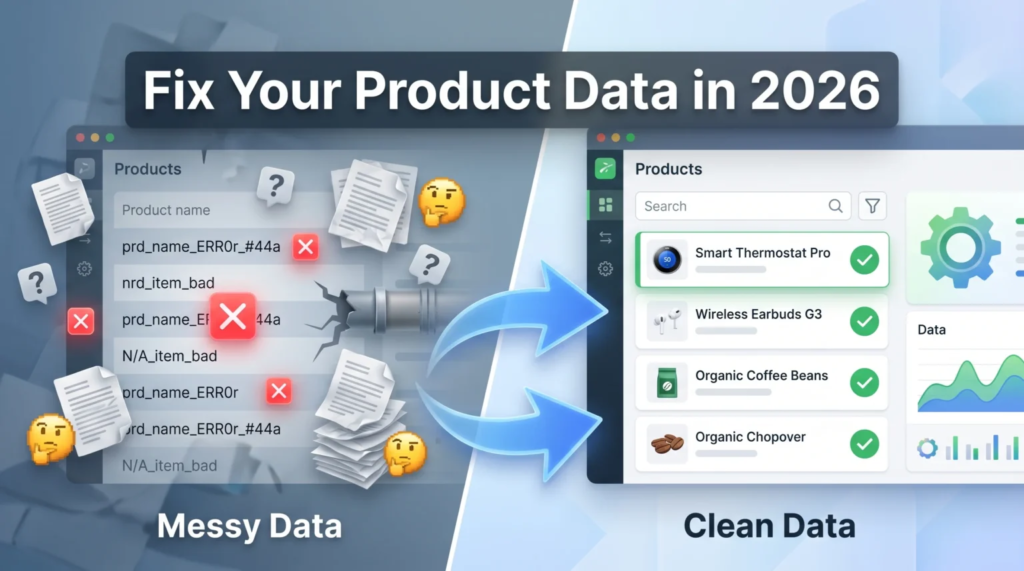
For example:
Before normalization:
- Microsoft Corporation
- Microsoft Corp.
- MICROSOFT
- Microsoft
- microsoft corp
After normalization:
- Microsoft
Normalization does not change the identity of the brand. It simply creates consistency across databases and systems.
Also read:MyKaty Cloud: The Complete Guide to Katy ISD’s Secure Single Sign-On Learning Portal
Why Brand Name Normalization Matters
Every organization depends on accurate data.
When brand names appear in multiple formats, businesses may experience:
- Duplicate records
- Incorrect reports
- Poor search results
- Confusing dashboards
- Inaccurate analytics
- Data integration problems
Applying brand name normalization rules solves these issues.
Accurate brand data supports better business decisions.
Common Causes of Brand Name Inconsistency
Brand names become inconsistent for many reasons.
Manual Data Entry
Employees often type company names differently.
For example:
- Amazon
- Amazon Inc
- AMAZON
- Amazon.com
Without normalization, these become separate records.
Multiple Data Sources
Organizations collect information from:
- Websites
- Sales teams
- Vendors
- Customers
- Marketing systems
Each source may use a different naming style.
International Naming Differences
Global organizations often operate under different legal names in different countries.
Examples include:
- Ltd.
- LLC
- GmbH
- S.A.
- Pty Ltd
Normalization helps unify these variations when appropriate.
Benefits of Brand Name Normalization Rules
Standardizing brand names provides many advantages.
Major benefits include:
- Cleaner databases
- Better reporting
- Improved search accuracy
- Easier duplicate detection
- Higher data quality
- More reliable analytics
- Better customer insights
Organizations save time while improving operational efficiency.
The Core Brand Name Normalization Rules
Several fundamental rules form the foundation of brand standardization.
Rule 1: Remove Legal Entity Suffixes
Legal entity designations usually do not affect brand identity.
Examples include:
- Inc.
- LLC
- Ltd.
- Corporation
- Corp.
- Incorporated
Example:
Before:
- Nike Inc.
- Nike Corporation
After:
- Nike
Removing legal suffixes creates consistency.
Rule 2: Standardize Capitalization
Different capitalization styles should become consistent.
Examples:
Before:
- SONY
- sony
- Sony
After:
- Sony
Consistent capitalization improves readability.
Rule 3: Handle Punctuation
Punctuation often varies.
Examples include:
- AT&T
- AT & T
- AT and T
Normalization rules determine the preferred format.
Organizations should choose one standard version.
Rule 4: Remove Extra Spaces
Extra spaces frequently appear during manual entry.
Example:
Before:
- Procter & Gamble
After:
- Procter & Gamble
Whitespace normalization improves matching accuracy.
Rule 5: Standardize Abbreviations
Common abbreviations should follow organizational standards.
Examples:
- Intl.
- International
- Co.
- Company
Standardization reduces variation.
Rule 6: Normalize Symbols
Symbols may appear differently.
Examples:
- &
- and
Organizations should establish one preferred standard.
Rule 7: Remove Duplicate Words
Sometimes duplicate words appear accidentally.
Example:
Before:
- Dell Dell Technologies
After:
- Dell Technologies
Data cleaning removes unnecessary repetition.
Rule 8: Handle Misspellings Carefully
Common spelling mistakes require correction.
Examples:
- Microsfot
- Microsoft
- Amazom
- Amazon
Automated correction improves data quality.
The Brand Name Normalization Process
Successful normalization follows several steps.
Step 1: Collect Data
Gather brand names from every source.
Examples include:
- CRM systems
- ERP software
- Marketing platforms
- eCommerce databases
- Customer records
Complete data collection supports better normalization.
Step 2: Identify Variations
Analyze how the same company appears.
Example:
- IBM
- I.B.M.
- International Business Machines
- IBM Corp
Identify every variation.
Step 3: Apply Standard Rules
Normalization rules convert variations into approved names.
Consistency becomes automatic.
Step 4: Validate Results
Review normalized records.
Human oversight remains important.
Step 5: Maintain Standards
Normalization should continue as new records enter the database.
Ongoing maintenance prevents future inconsistencies.
Real-World Examples
Example 1
Original records:
- Google LLC
- Google Inc.
Normalized result:
Example 2
Original records:
- Coca-Cola Company
- Coca Cola
- Coca-Cola Co.
- Coca Cola Company
Normalized result:
- Coca-Cola
Example 3
Original records:
- Amazon.com
- Amazon Inc.
- AMAZON
- Amazon
Normalized result:
- Amazon
These examples demonstrate how normalization simplifies reporting.
Brand Name Normalization in eCommerce
Online stores manage thousands of products from multiple manufacturers.
Different suppliers may use inconsistent brand names.
Normalization helps:
- Improve product search
- Reduce duplicate listings
- Enhance inventory management
- Support accurate analytics
Customers also find products more easily.
Brand Name Normalization in Marketing
Marketing teams combine information from many platforms.
Examples include:
- Google Ads
- Social media
- Email campaigns
- CRM software
Consistent brand names improve campaign reporting.
Marketing performance becomes easier to measure.
Brand Name Normalization in Customer Relationship Management
CRM systems rely on accurate customer information.
Duplicate brand names create:
- Multiple customer profiles
- Confusing sales reports
- Poor communication
- Lost opportunities
Normalization supports cleaner customer records.
Using Regular Expressions
Many organizations use regular expressions (Regex) to automate normalization.
Regex helps identify patterns such as:
- Legal suffixes
- Extra spaces
- Repeated punctuation
- Abbreviations
Automation speeds large-scale data cleaning.
Role of Artificial Intelligence
Artificial intelligence expands traditional normalization.
AI can recognize:
- Similar spellings
- Contextual relationships
- Misspellings
- Brand aliases
Unlike simple rule-based systems, AI identifies relationships even when names differ significantly.
Machine Learning and Brand Matching
Machine learning continuously improves normalization accuracy.
Algorithms learn from:
- Previous corrections
- Human feedback
- Historical records
Over time, matching becomes increasingly accurate.
Challenges in Brand Name Normalization
Despite its benefits, normalization presents challenges.
Common issues include:
International Brands
Global companies often use regional naming conventions.
Normalization must respect legitimate differences.
Brand Rebranding
Organizations sometimes change names.
Examples include mergers, acquisitions, or rebranding campaigns.
Historical records require careful management.
Similar Brand Names
Different companies sometimes have nearly identical names.
Normalization should avoid merging unrelated businesses.
Best Practices
Organizations should follow proven strategies.
Recommended practices include:
- Define clear naming standards.
- Document every normalization rule.
- Review data regularly.
- Automate repetitive tasks.
- Validate results manually.
- Update standards when businesses change names.
Strong governance improves long-term consistency.
Why Brand Name Normalization Supports Better Decision-Making
Reliable data produces reliable insights.
When every brand follows consistent naming conventions, organizations gain:
- Better dashboards
- More accurate forecasts
- Reliable customer analysis
- Improved business intelligence
- Higher operational efficiency
Instead of spending time fixing data, teams focus on making informed business decisions.
How Artificial Intelligence Improves Brand Name Normalization Rules
Artificial intelligence has transformed the way organizations clean and organize data. Traditional normalization depended on manually written rules, but modern AI systems can identify relationships that simple rule-based methods may miss.
For example, AI can recognize that several brand name variations likely refer to the same company, even if the spellings are different.
Examples include:
- FedEx
- Federal Express
- Fed Ex
Instead of relying only on exact text matching, AI analyzes language patterns and context to recommend standardized names.
As organizations process millions of records, AI becomes increasingly valuable.
Natural Language Processing in Brand Standardization
Natural Language Processing (NLP) helps computers understand written language.
Within brand name normalization rules, NLP can:
- Detect spelling variations
- Recognize abbreviations
- Identify company aliases
- Understand naming context
- Separate brand names from descriptive text
NLP improves normalization accuracy while reducing manual effort.
Fuzzy Matching Techniques
Exact matching works only when names are identical.
Fuzzy matching identifies records that are similar.
Examples include:
- Adidas
- Addidas
- Adidas AG
Instead of treating these as separate brands, fuzzy matching calculates similarity scores.
Higher similarity scores indicate a stronger possibility that records represent the same brand.
Human reviewers can then verify uncertain matches.
Master Data Management and Brand Name Normalization Rules
Master Data Management (MDM) is a business strategy that creates one trusted version of important business information.
Brand names are a critical part of master data.
Normalization helps create a “single source of truth” for company names across:
- Sales systems
- Finance software
- Marketing platforms
- Customer databases
- Supply chain systems
Without normalization, master data quickly becomes inconsistent.
Industry Applications of Brand Name Normalization Rules
Many industries depend on accurate brand information.
Retail
Retail businesses manage thousands of suppliers and products.
Normalization improves:
- Inventory accuracy
- Product search
- Sales reporting
- Supplier management
Customers also enjoy a better shopping experience.
Healthcare
Healthcare organizations maintain records for:
- Medical suppliers
- Pharmaceutical companies
- Insurance providers
- Healthcare partners
Consistent naming improves reporting and regulatory compliance.
Also read:Schoology Alfa: The Complete Guide to the Next Generation Digital Learning Experience
Financial Services
Banks and financial institutions process information from numerous organizations.
Normalization supports:
- Risk analysis
- Customer verification
- Vendor management
- Regulatory reporting
Clean data improves decision-making.
Manufacturing
Manufacturers work with suppliers around the world.
Normalization simplifies:
- Procurement
- Inventory control
- Vendor performance tracking
- Production planning
Standardized data reduces operational errors.
Marketing and Advertising
Marketing teams combine information from many channels.
Normalization helps unify reports from:
- Search advertising
- Social media
- Email campaigns
- Affiliate marketing
- CRM systems
Accurate reporting improves marketing performance.
Common Mistakes When Applying Brand Name Normalization Rules
Even experienced organizations sometimes make errors.
Over-Normalization
Some businesses combine names that actually represent different organizations.
Example:
Two unrelated companies with similar names should remain separate.
Careful review prevents incorrect merging.
Ignoring New Brand Names
Businesses launch new brands regularly.
Normalization rules should be updated continuously.
Static rule sets become outdated over time.
Removing Important Information
Not every legal suffix should always disappear.
Certain industries require legal distinctions.
Organizations should understand business requirements before removing information.
Inconsistent Rule Application
Different departments sometimes follow different naming standards.
Organization-wide policies create consistency.
Creating a Brand Name Normalization Policy
Every organization should document its normalization standards.
A strong policy typically includes:
- Approved brand names
- Capitalization standards
- Legal suffix rules
- Abbreviation guidelines
- Symbol handling
- Data validation procedures
Documentation helps maintain consistency across teams.
How Automation Supports Large Organizations
Large enterprises often process millions of records every month.
Manual normalization becomes impossible.
Automation provides:
- Faster processing
- Reduced human error
- Consistent rule application
- Lower operational costs
- Continuous monitoring
Employees can then focus on reviewing exceptions instead of routine corrections.
Data Governance and Brand Name Normalization Rules
Data governance establishes policies for managing business information.
Brand name normalization should be part of every organization’s governance framework.
Important governance principles include:
- Data ownership
- Quality monitoring
- Change management
- Documentation
- Compliance
- Regular audits
Strong governance ensures long-term data reliability.
Future Trends in Brand Name Normalization Rules
Technology continues improving rapidly.
Several innovations are expected to shape future normalization systems.
Greater AI Adoption
Artificial intelligence will increasingly automate:
- Brand matching
- Duplicate detection
- Alias recognition
- Quality scoring
Human reviewers will focus on complex decisions.
Real-Time Normalization
Instead of cleaning data after collection, organizations will normalize records immediately during data entry.
Real-time validation improves overall data quality.
Cloud-Based Data Quality Platforms
Cloud services allow organizations to normalize data across multiple business systems from one centralized platform.
Centralization improves consistency.
Smarter Business Intelligence
Business intelligence platforms will increasingly rely on normalized data to produce more accurate dashboards and forecasts.
Clean data improves every business decision.
Global Standardization
As international business expands, organizations will develop more advanced multilingual normalization rules that support global operations while respecting regional naming conventions.
How to Build an Effective Brand Name Normalization Workflow
Organizations can improve results by following a structured process.
Recommended workflow:
- Collect brand information from all sources.
- Remove duplicate records.
- Apply normalization rules.
- Use AI to identify uncertain matches.
- Review exceptions manually.
- Update master records.
- Monitor new entries continuously.
- Audit data quality regularly.
This process keeps business information accurate over time.
Why Brand Name Normalization Rules Are Essential for Modern Businesses
Data has become one of every organization’s most valuable assets.
However, inaccurate information reduces its usefulness.
Brand name normalization rules help organizations:
- Improve customer insights
- Increase reporting accuracy
- Support artificial intelligence
- Enhance business intelligence
- Reduce operational costs
- Strengthen decision-making
Standardized brand names provide the foundation for reliable analytics and efficient business operations.
Conclusion
Brand name normalization rules are an essential part of modern data management because they ensure that every version of a company or brand name is stored in a consistent and standardized format. As organizations collect information from multiple sources, inconsistencies in capitalization, punctuation, abbreviations, legal entity suffixes, and spelling variations can quickly reduce data quality and create duplicate records. By applying clear normalization rules, businesses can improve search accuracy, reporting, customer relationship management, and overall operational efficiency.
Beyond traditional rule-based methods, artificial intelligence, natural language processing, and machine learning are making brand normalization more intelligent and scalable. These technologies can identify hidden relationships between similar brand names, automate large portions of the standardization process, and continuously improve accuracy through learning. However, human oversight remains important to verify complex cases and maintain data integrity.
As organizations continue expanding their digital operations, clean and consistent brand data will become even more valuable for analytics, automation, compliance, and strategic decision-making. Companies that invest in well-designed brand name normalization rules, supported by strong data governance and modern technology, will be better equipped to maintain reliable information, improve business performance, and deliver better customer experiences in an increasingly data-driven world.
Frequently Asked Questions (FAQs)
How often should brand name normalization rules be reviewed?
Organizations should review their normalization rules regularly, especially after mergers, acquisitions, new product launches, rebranding efforts, or major system integrations to ensure data remains accurate and consistent.
Can small businesses benefit from brand name normalization rules?
Yes. Even small businesses can improve customer records, sales reporting, inventory management, and marketing performance by maintaining standardized brand names across their systems.
Are brand name normalization rules useful for international companies?
Absolutely. International organizations often manage multiple naming conventions across countries and languages. Normalization helps create consistent global reporting while respecting regional business requirements.
What is the difference between brand name normalization and duplicate removal?
Brand name normalization standardizes different versions of the same brand name into one approved format, while duplicate removal eliminates repeated records after normalization has identified matching entries.
Why are brand name normalization rules important for artificial intelligence projects?
AI systems perform better when they are trained on clean, standardized, and high-quality data. Consistent brand names reduce ambiguity, improve model accuracy, and produce more reliable predictions, analytics, and business insights.